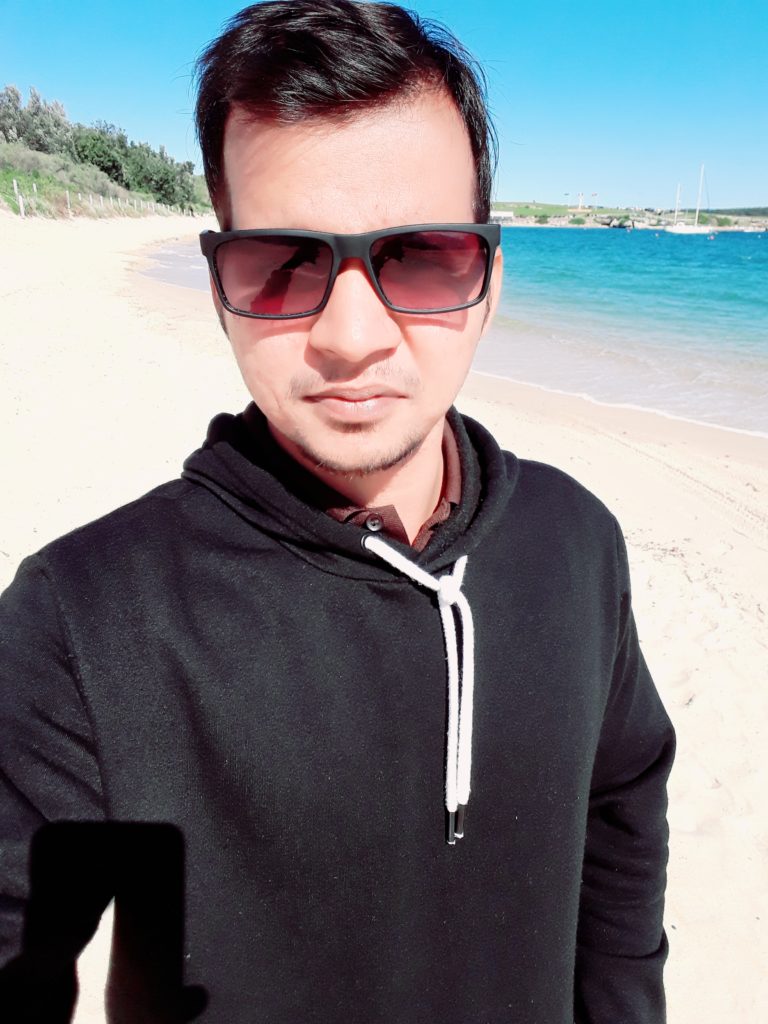
Group Leader
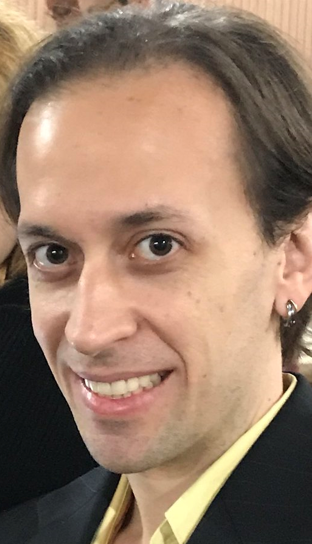
Albert received his BS in Chemistry from Indiana University in 2008, having done research under the tutelage of Professor Amar Flood in synthetic and supramolecular chemistry. He received his PhD from Northwestern University in Organic Chemistry in 2013 under the mentorship of Professor Sir Fraser Stoddart (Nobel Prize 2016) investigating the molecular self-assembly and template-directed syntheses of artificial molecular switches and machines. Albert then moved to Boston to carry out research in origins of life chemistry as a postdoctoral scholar with Professor Jack Szostak (Nobel Prize 2009) at Harvard University and Massachusetts General Hospital. As part of a unique Fellowship opportunity during this time, Albert also spent three months of the year at the Tokyo Institute of Technology in the Earth-Life Science Institute (ELSI), a research centre which specialises in origins of life research. Thereafter, Albert spent a year with ELSI as an Associate Principal Investigator before moving to UNSW at the end of 2018. Albert is a currently an Associate Professor in the School of Chemistry at UNSW and Director of the Australian Centre for Astrobiology.
The Fahrenbach group at UNSW is focused on nonenzymatic RNA replication and prebiotic synthesis. His group is interested in origins of life chemistry, including chemical evolution, reaction networks, prebiotic synthesis of RNA and peptides, and nonenzymatic RNA replication. For more information about his research projects, click here.
Postdoctoral Researchers
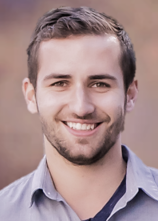
Jonas completed his PhD with Peter Wich, where he worked on protein-based nanoparticles and small molecule inhibitors. He joined the Fahrenbach group in 2023 and now focuses on questions surrounding the origin of life and early evolution, with a particular interest in the polymers present at life’s earliest stages. His research develops novel strategies to ligate RNA molecules using engineered RNases and to investigate their interactions with RNA-binding peptides. Building on his background in biochemistry and organic chemistry, he is now exploring the genetic engineering of new, highly specific RNases and the rational design of riboswitches.
PhD Students
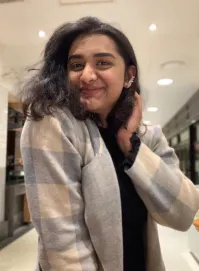
I’m a 3rd year Medicinal Chemistry student, with a vested interest in all things organic chemistry and pharmacology. I’m studying to become a drug research scientist and hope to kickstart honours in 2021. I thought it would be a good experience to work with Dr Fahrenbach for my CHEM3998 Special Project as a lead up to honours. The exploration of prebiotic evolution and origin of life has always fascinated me, and to discover that there was an opportunity for me to contribute my knowledge and expand my expertise made me very excited to work with the Fahrenbach group.
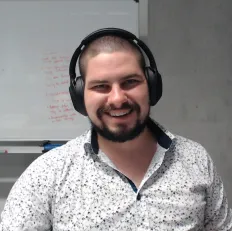
Luke is a PhD student studying the catalytic roles of amino acids and peptides in the Peptide-RNA world. His research currently involves studying the binding interactions of amino acids with prebiotic clay minerals. When Luke is not working on chemistry or experimental 3D printing, he can be found watching old esoteric movies that nobody understands or talking passionately about his love for bears.
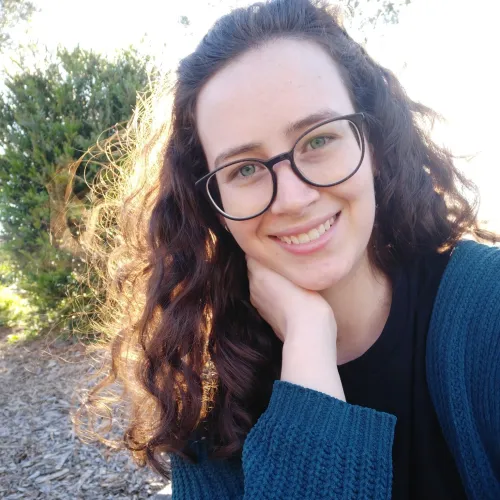
Megan Amos is a PhD student at the Australian Centre for Astrobiology with a deep curiosity for understanding the origins of life. Her project involves investigating the potential for ancient microbial life on Mars and is interdisciplinary in nature, lying at the intersection of chemistry, geology and microbiology. Aside from science, Megan has an equal passion for music and spends all her free time performing and practicing flute and piano.
Professor Martin Van Kranendonk)
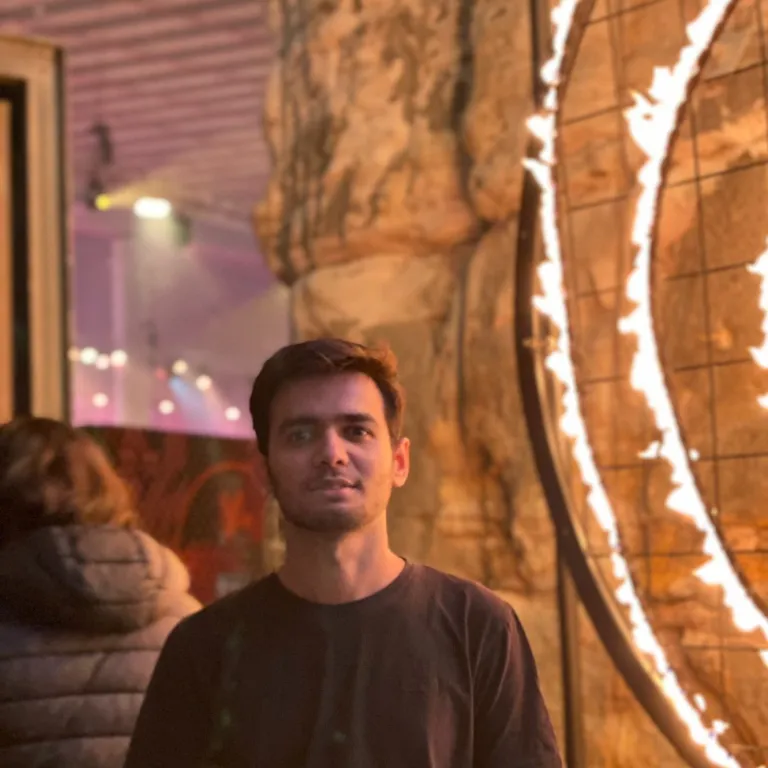
Dev is a first-year Ph.D. candidate at the School of Chemistry and the Australian Centre for Astrobiology, and he is passionate about understanding how the process of life began on early Earth. He is a joint student along with Dr. Anna Wang and is studying the impact of vesicle confinement on prebiotic reaction networks and the effect of macromolecular crowding in protocell biochemistry.
When Dev is not talking about philosophy or working in science, he can be seen enjoying Indian classical music, traveling, and cooking, which nobody denies. The fact is, Dev, does not spend himself on anything barring dance. With his belief that dance has to unfold with the grace of a tree giving out leaves, flowers, and then fruits, nothing so beautiful can be, he is an Indian semi-classical (Kathak) and folk dancer.
Dr Anna Wang)
Masters StudentsReach out to Dr Fahrenbach for how you can get involved in Masters research!
Honours Students
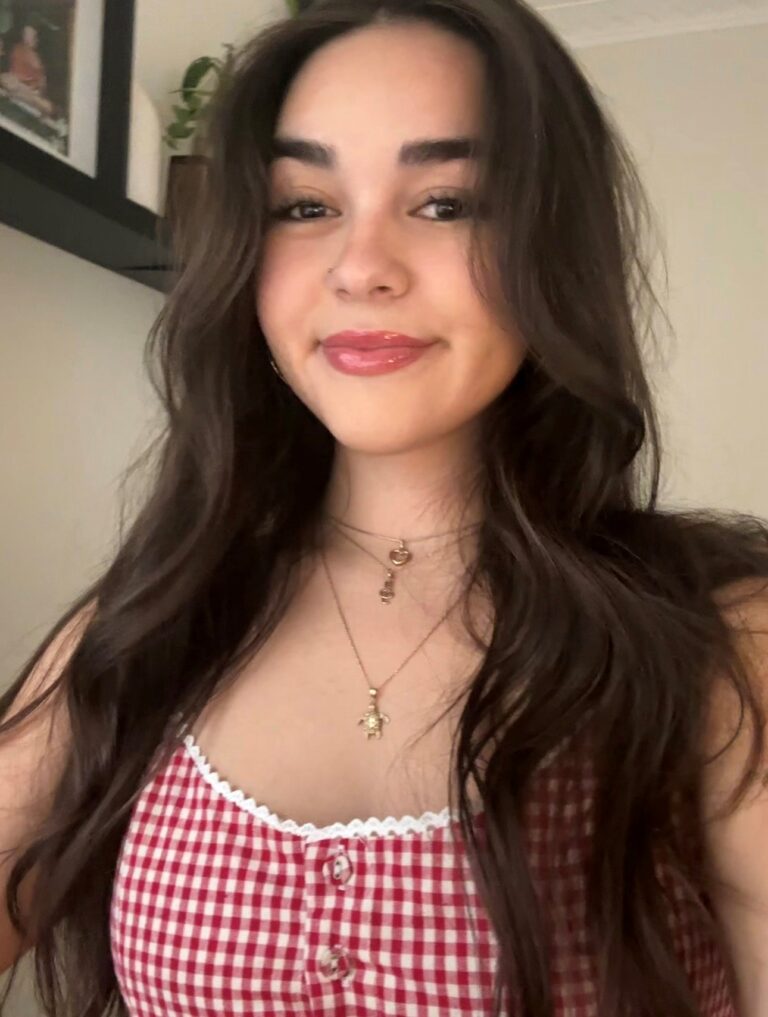
I’m an Honours student with a deep curiosity for everything chemistry and astrobiology. I’ve always been fascinated by the big questions—how life first started on Earth and whether it might exist elsewhere in the universe. These ideas have shaped the way I think and continue to fuel my passion for learning and discovery. I’m incredibly excited to be working with the Fahrenbach group and to expand my knowledge as I begin my journey in research.
Undergraduate StudentsReach out to Dr Fahrenbach how you can get involved in undergraduate research!
Past Students and Postdocs
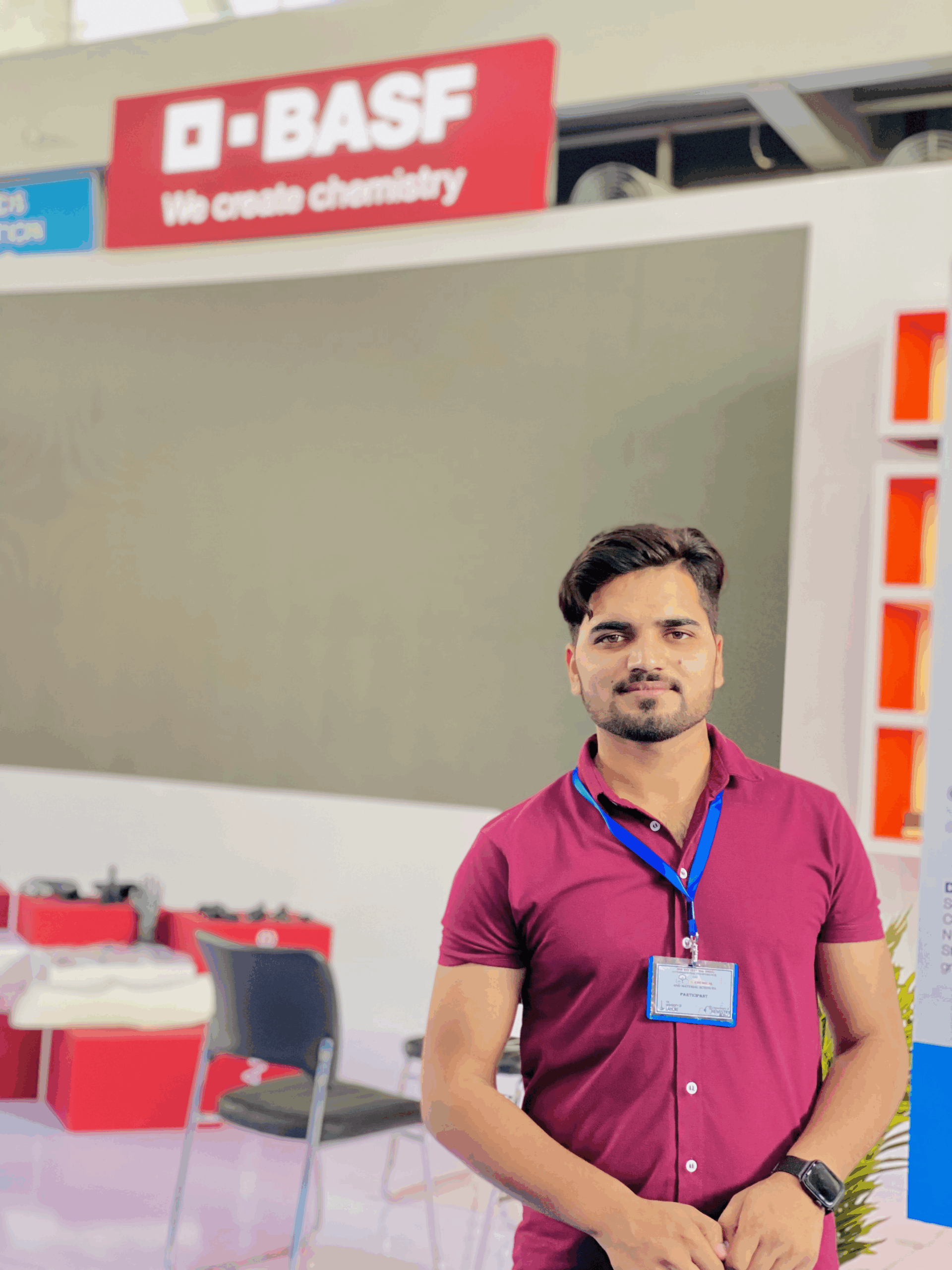
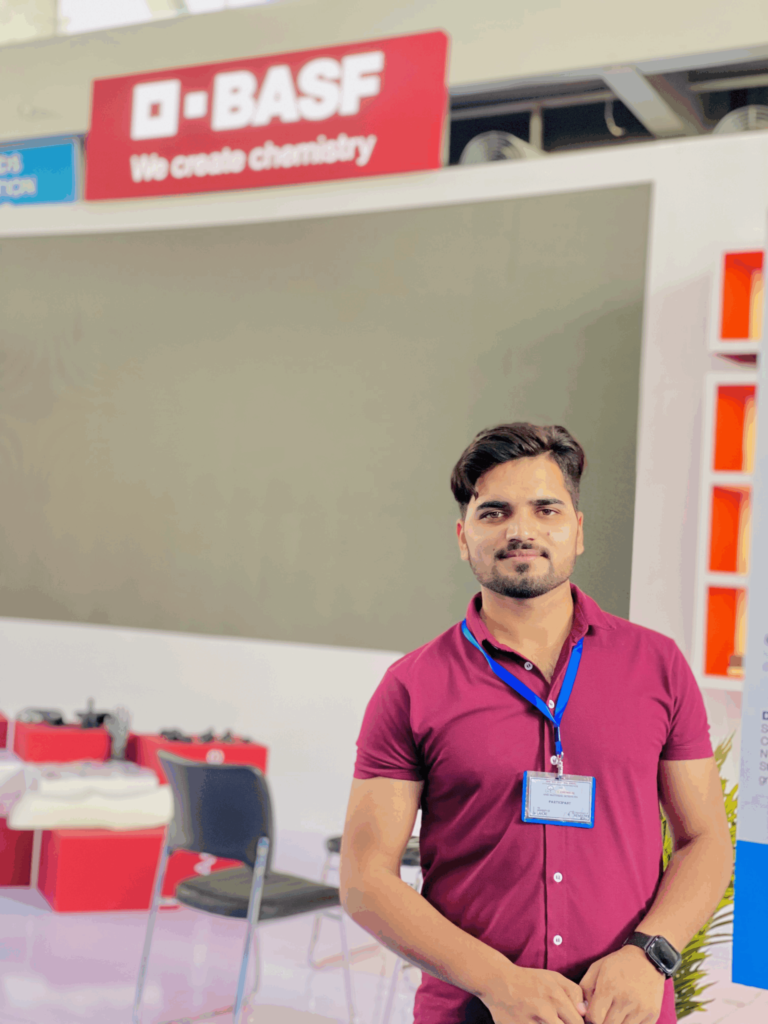
Shahid Nawaz is a PhD student at the University of New South Wales (UNSW), working at the intersection of chemistry and the origins of life. His research lies within the field of prebiotic chemistry, with a particular focus on investigating the formation of sugars before life began. In addition to his current research at UNSW, Shahid has developed a strong interest in scientific literature and critical review writing, which has led to numerous publications in respected international journals.
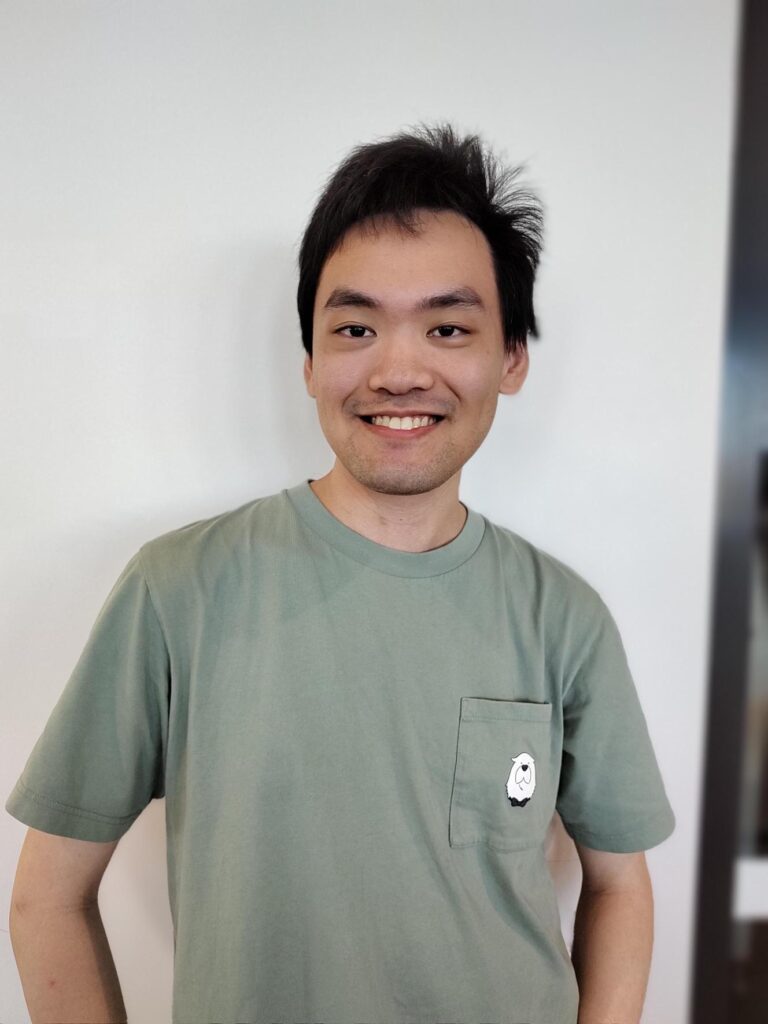
I’m a Mphil candidate who is currently working on the synthesis of pentose aminooxazolines in a prebiotically viable condition. They are a key component in synthesising ribonucleotides. Passionate about East Asian food I plan to first try out all the reasonably priced Japanese restaurants in Sydney. I also am an avid watcher of University Challenge even though I don’t get most of the questions except for the science ones.
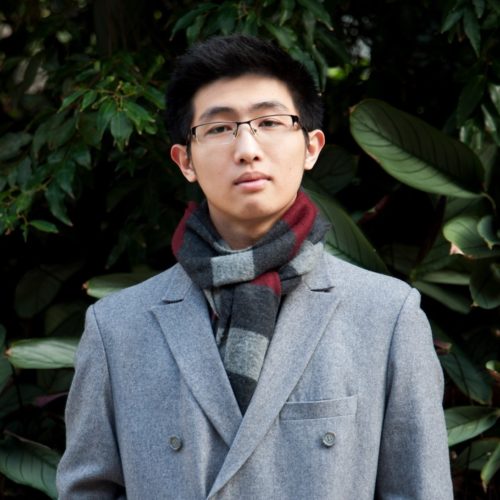
Jeremy’s research aims to provide insights into the emergence of metabolism from the chemistry present on the early Earth. By studying how reactions with positive feedback behave under early Earth conditions, Jeremy hopes to demonstrate that early Earth chemistry can exhibit some of the properties often associated with life even in the absence of enzymes and genetic materials.
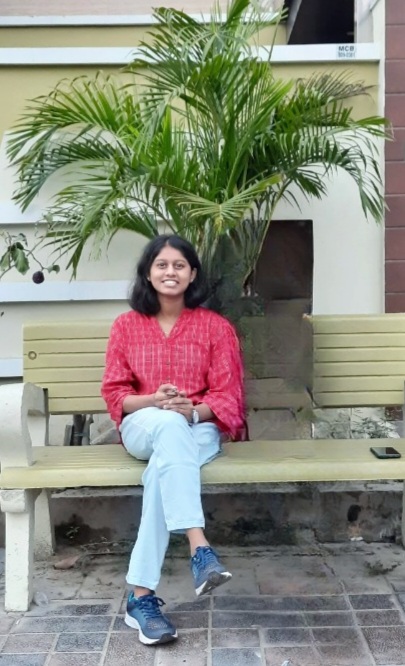
Yazhinee is a master’s student under practicum exchange program at UNSW in collaboration with IISER Mohali, India. She is very passionate about conducting experiments on origins of life, and currently she is doing her thesis on non-enzymatic replication of RNA with activated nucleotides which spans both Biology and Pre-biotic Chemistry. Amidst research and thesis works, she loves watching spiders, and learning Spanish, Japanese and Mandarin.
Ray obtained his Master’s degree from the University of Southampton where he completed his research project within the Hecht group at the Humboldt University of Berlin. He went on to complete his PhD studies with the Beves group at the University of New South Wales, where he focused on developing visible-light addressable coordination cages.
Ray’s research interests include self-assembly, prebiotic chemistry, and out-of-equilibrium systems, among many other topics.
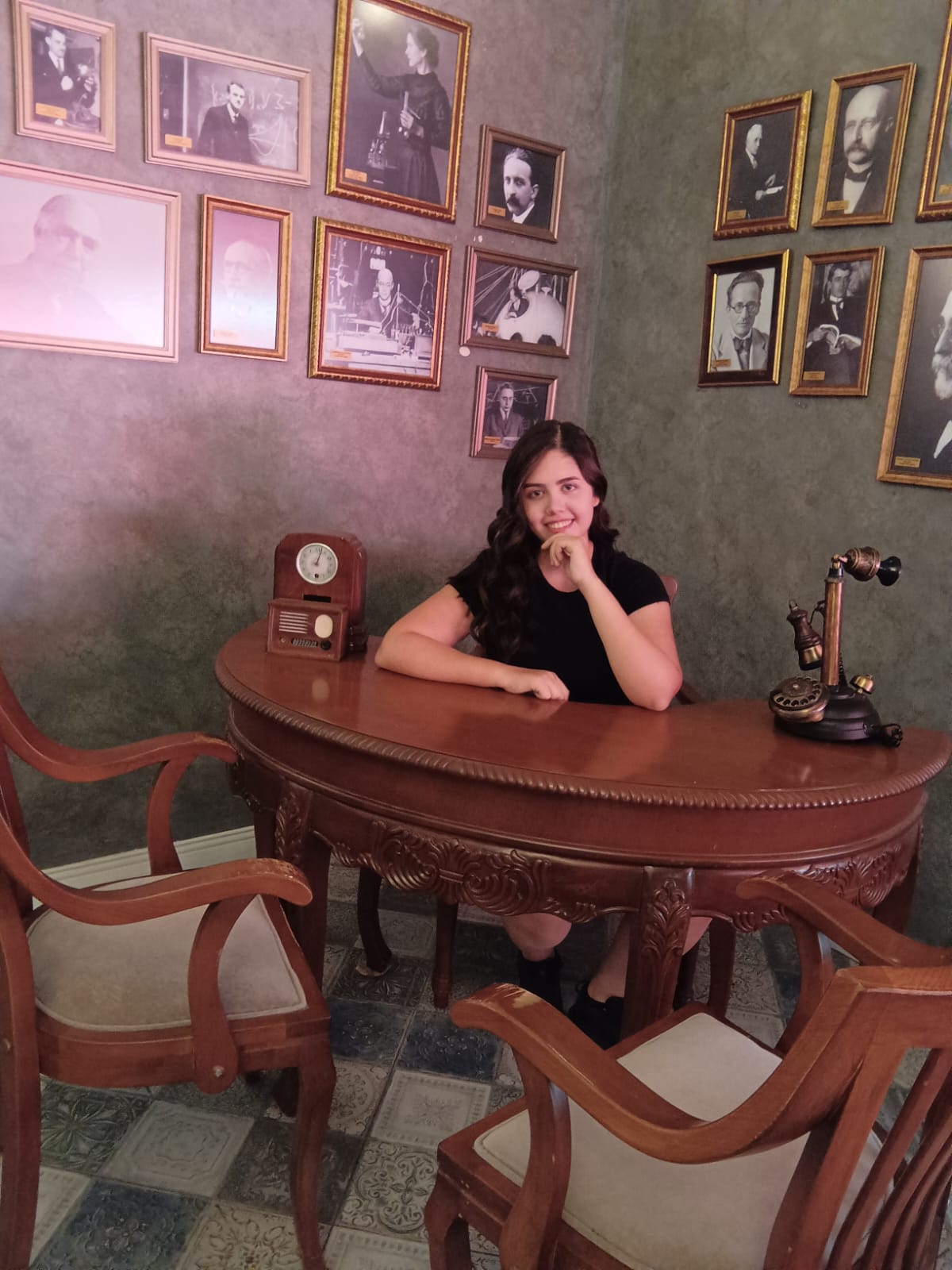
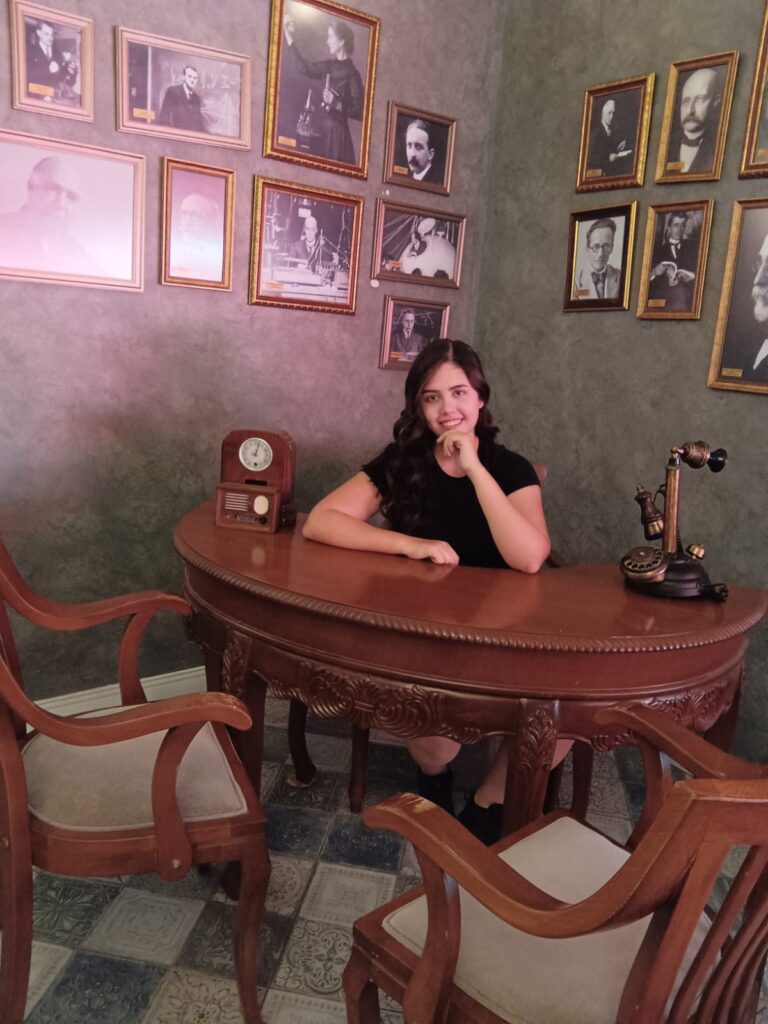
Ece is a freshman from Middle East Technical University (METU) in Turkey, currently interning at UNSW through the Research Endeavour Practicum Programme.
With a deep passion for the origins of life and astrobiology, Ece is eager to engage in interdisciplinary studies that connect these areas.
Her primary mission in life is to gather new and meaningful ideas as the world turns, leaving behind a gift of thought for the moments when it continues to turn without her. Her interests span across science, literature, philosophy, classical music, and art—anything that sparks her curiosity and adds meaning to her life.
Ece is also known for her uncanny ability to enjoy a good cup of coffee at any hour of the day. When she’s not in the lab—and constantly asking a lot of questions—you might find her gazing at the sky and putting her thoughts to paper with poetic flair, reading a book under a secluded tree on campus, solving a Rubik’s cube while watching videos of Richard Feynman, or admiring a photo of her cat, Hermes.
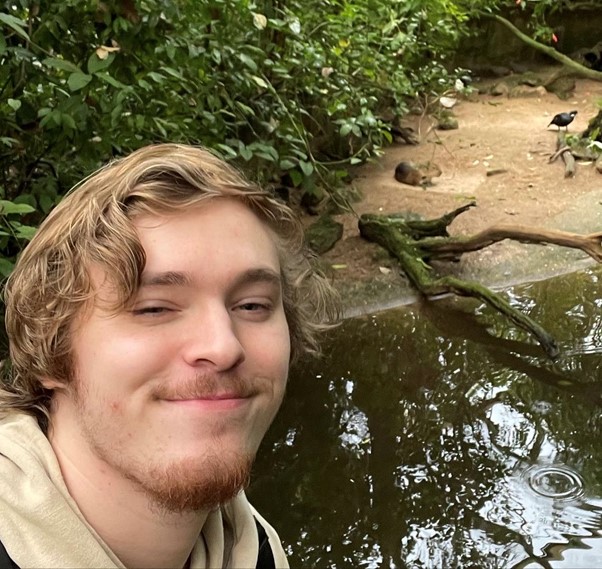
Rick is a third year undergraduate Applied Biology student at the HAS University of applied sciences and will be joining the Fahrenbach group for the next 6 months on a research internship. For these 6 months he will be working together with Megan Amos on her project, he will be studying the growth of silica digitates without the effects of organic compounds.
If he’s not in the lab or working on my thesis, you can find him out on the beach surfing or out on an expedition to one of the nearby reefs ready for a dive and if it is raining you can find him inside reading or drawing.


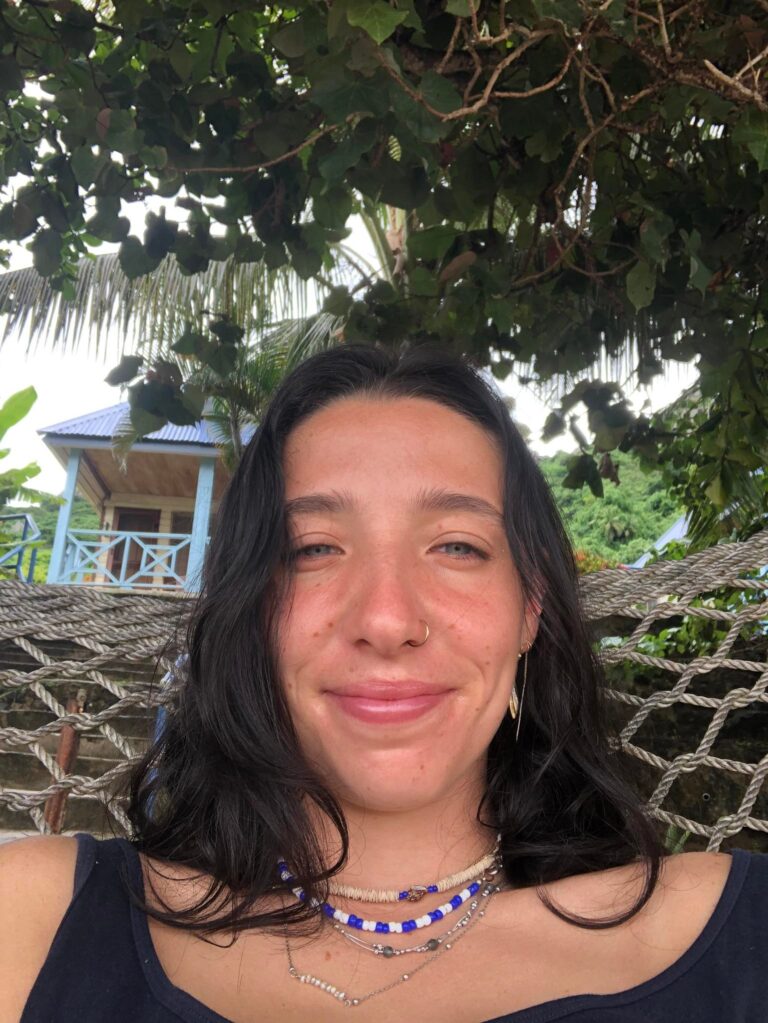
My research interest is focused on prebiotic synthesis of RNA and trying to understand the possibility to produce RNA under potential natural geo-environments. Under the mentorship of Dr Albert Fahrenbach, I discovered that ionizing radiation can be a potential energy source to drive cyanide to produce several important building blocks for the Powner-Sutherland pathway of nucleotide synthesis in a one-pot approach. I will continue my research on the radiation project until I achieve the complete pathway of nucleotide synthesis.
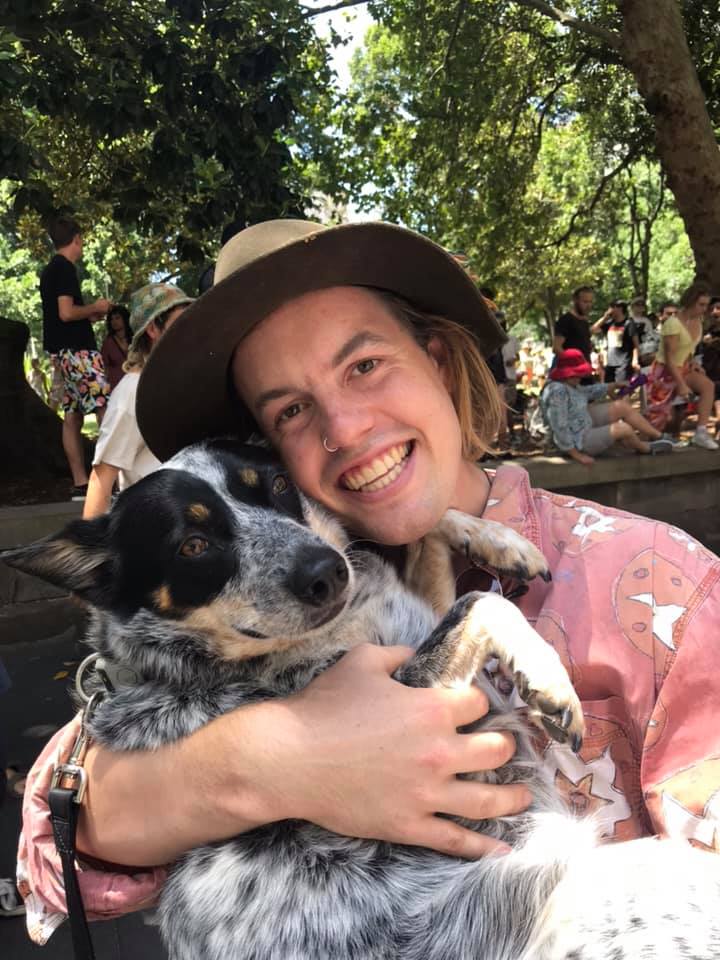
Luke Steller is a PhD candidate at the Australian Centre for Astrobiology. His research involves studying ancient and modern hot spring systems to better understand the origin of life on Earth. Through conducting pre-biotic experiments (i.e. polymerizing RNA and synthesising proto-cells), in realistic early Earth hot spring conditions, he is hoping to help “ground proof” our understanding of the first chemical systems that evolved into life on Earth. Luke Steller is also an avid science communicator. Luke communicates his science through a range of mediums, including on ABC’s Catalyst, The Conversation, and being a finalist in the university wide 3 Minute Thesis competition.
Research:
Luke’s project has two main objectives:
1: To develop a better understanding of Archean hot springs through conduction in-depth B isotope analysis on sea-water/rock interactions, resulting in a model of sea-water characteristics that were altering the rocks below and feeding up into the 3.5 billion year old Dresser hot spring system
2: To use this new found understanding of Archean hot spring environments to “ground-proof” previous pre-biotic experiments. The current methods of conducting pre-biotic experiments are unrealistic when compared to the complex early Earth environments in which life formed. Luke’s repetition of previous experiments and design of new ones with the environmental context in mind tests if realistic Archean environments help or hinder the origin of life on Earth.
Luke is also the co-founder and director of Praxical, a collective of emerging science communicators and creatives focused empowering everyday people in the process of science. Through Praxical Luke has organised and facilitated a range of events, including National Science Week online workshop series attracting over 1000 participants from 26 countries, and a 6-week science immersive course for Hope Street Youth Centre.
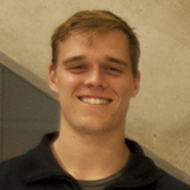
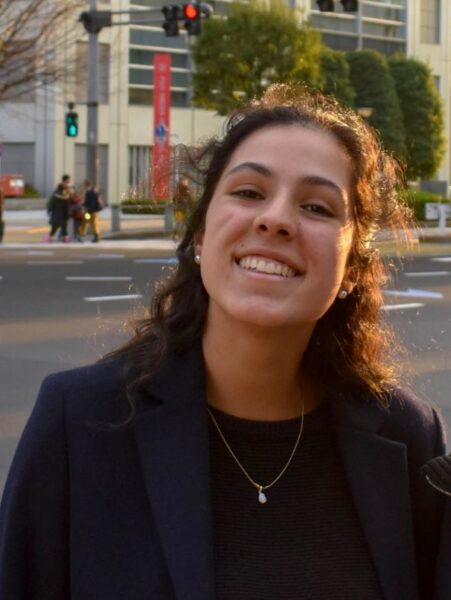
Ella is a 1st year honours student who studied a Bachelor of Science, majoring in Pathology. Her fascination with the origin of life led her to join a joint project between both the Fahrenbach group and the Australian Centre for Astrobiology with Professor Martin Van Kranendonk, where she will explore mineral surfaces role in RNA polymerisation and the possible part hot springs played. Through her time with the Fahrenbach group she hopes to further explore both origin of life chemistry and its implications for the search for life elsewhere in the solar system.
Sarah is from Sydney, Australia, and is in her third year at UNSW, studying a Bachelor of Advanced Science (Chemistry)/Bachelor of Arts (Politics/International Relations). She has an interest in pre-biotic chemistry and the evolution of early life from simple molecules, thus has joined the Fahrenbach group as a part of her undergraduate degree
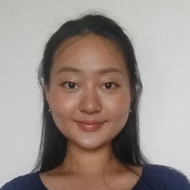
I am a Sydneysider, 4th year Undergraduate, studying a combined science and law degree. The National Youth Science Forum, which I attended in 2015, encouraged me to pursue a career in STEM. Within science, I am double majoring in pharmacology and physiology and hope to start my Honours in 2020. The Fahrenbach Research projects provide a great opportunity to learn from an academic, expand my analytical chemistry capabilities and develop a first-hand investigative mindset. I am particularly interested in developing skills for peptide synthesis to improve pharmacological drug design. Whilst this endeavour seeks to progress life, I find the exploration of how life began, equally fascinating. Hence, in this research group, I hope to learn and utilise solid-state peptide synthesis and radiolysis to explore the processes of abiotic life formation.